
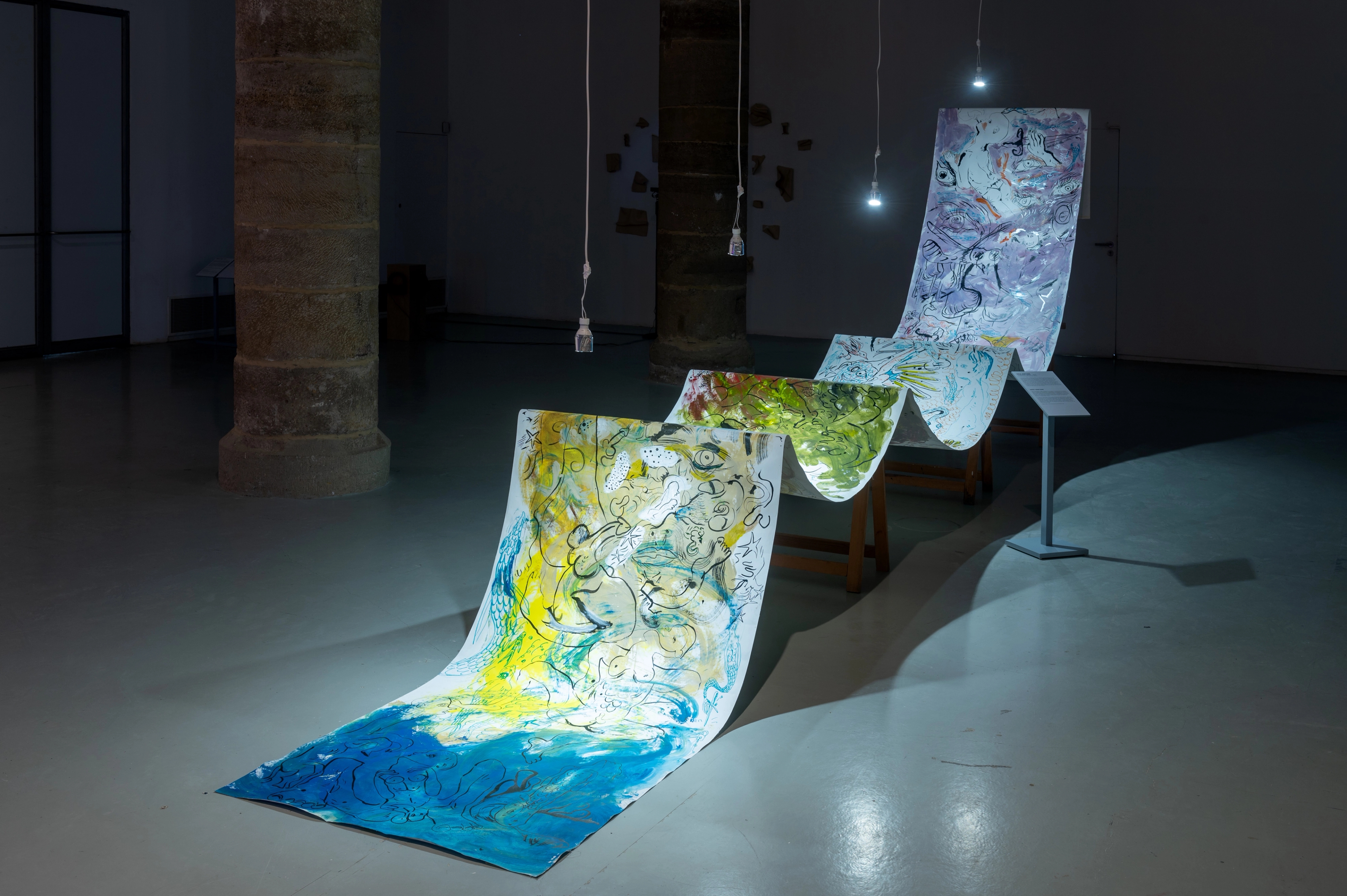

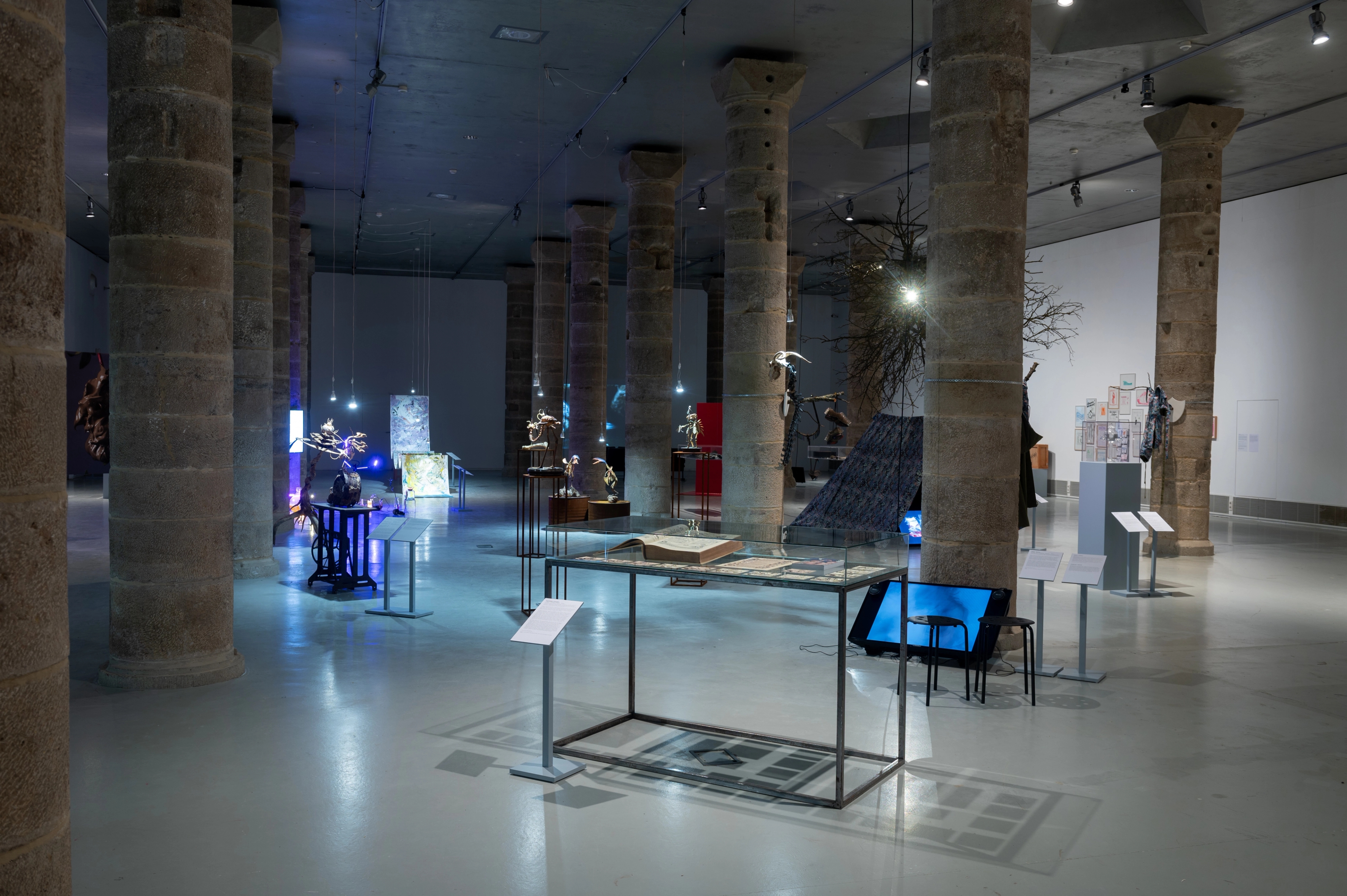


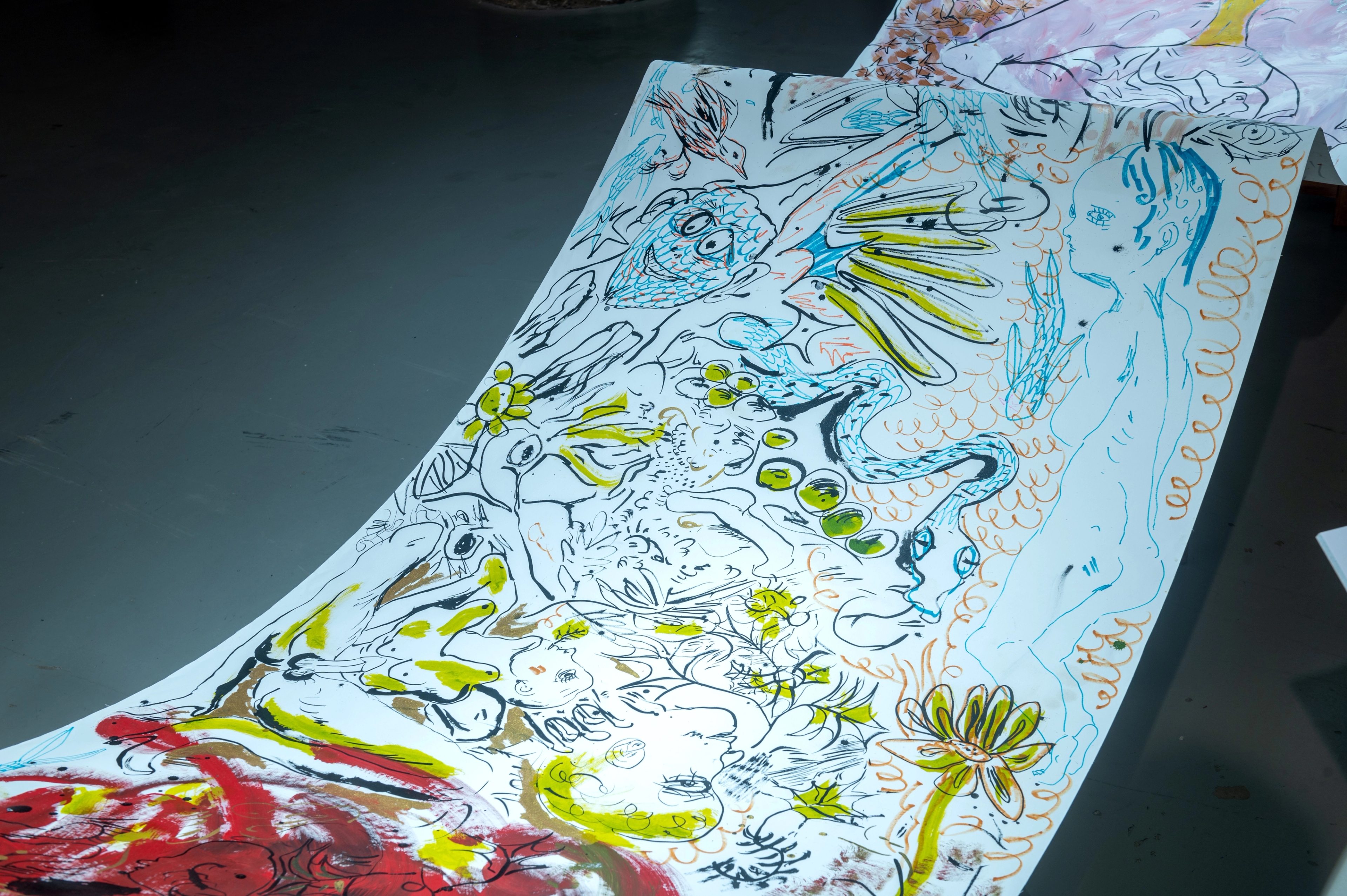

The ‘unnatural’ homosexual, the ‘inverted’ lesbian, the ‘degenerate’ bisexual, the ‘grotesque’ transsexual… these representations suggest that there is an institutional, scientific and political relationship between sexuality and nature. A relationship that shapes the ways in which we feel, think and act. This is the starting point for ‘Queer Ecologies’, a group exhibition that challenges the supposed moral neutrality of heterosexist discourses built around the ideas of sexuality and nature, and rethinks the relationships between species and environmental policies from a queer perspective. This perspective argues that the destruction of the planet cannot be separated from gender-based, sexual and racial violence.
Whilst ecology was originally understood as a desire to preserve a natural world degraded by industrialisation, or as a technocratic policy of environmental restoration that ignores capitalist responsibility, today it is understood as an ethical and critical practice that builds multispecies relationships based on the common good. Whilst the word ‘queer’ (‘strange’) was initially used pejoratively to refer to same-sex attraction, today it is reclaimed as a means of resisting heteronormativity and challenging the fixation on identity categories (lesbian, gay, bisexual, asexual, etc.).
Queer ecology gives its name to a symbiotic, trans-species, post-anthropocentric and anti-essentialist sensibility. It also refers to a politics of hybridisation, mutation, co-evolution and solidarity between wounded bodies and ecosystems. Drawing inspiration from the biological exuberance of matter, this perspective teaches us to be less human and more bodies in constant friction with other bodies. By questioning the romanticisation of nature and the capitalist exploitation of LGBTI+ lifestyles, queer ecology appropriates the discourses of unnaturalness used to oppress dissident bodies and puts into practice new ways of caring for, understanding and relating to the other—whether sexualised, racialised, naturalised or able-bodied. The exhibition is organised into three interrelated sections. The first section, ‘Discourses’, analyses the narratives that dehumanise and animalise the bodies and desires of LGBTI+ people, and reveals the transgressive potential of hybrid creatures.
The second, ‘Spaces’, examines the sex and gender bias in policies regulating urban and natural spaces, social order and public health, and reveals the ethical and ecological potential of dissident sexual practices. The final area, ‘Policies’, shows how LGBTI+ individuals appropriate the discourses of unnaturalness with which they have historically been identified, highlight sexual diversity, challenge heteronormativity and promote relationships based on care, affection and responsibility. From this three-pronged approach, the projects explore androgynous figures as vehicles for defining human identity: homosexuals as symptoms of toxic, urban modernity; the trans body as a challenge to humanist legibility; the disruptive potential of monsters; shared, non-nuclear and multi-gendered parenthoods; vulvar plasticity as a vector of posthuman subjectivity; the territoriality of the body as a politics of location; the camouflage and sexualisation of public space as an antidote to urban regulation and as an ethic of multiplicity; a rural world imagined to be desirable for LGBTI+ people; the sensuality and sexuality of water; queer symbiosis as a fluid ecology of fragments of flesh.
Press: Arts Help, ARTEINFORMADO, Graf, RTVE , Nuvol
- Lleida
- 28 October 2023 — 28 January 2024
- Curation and text: Christian Alonso
- Photography: Jordi V. Pou